 Neuroclimate
Knowledge Translation, Communication & Mobilization
Research only makes a difference when it reaches the people who can use it. This topic covers how to move climate-health knowledge into practice, policy and everyday life.
What Is Knowledge Translation?
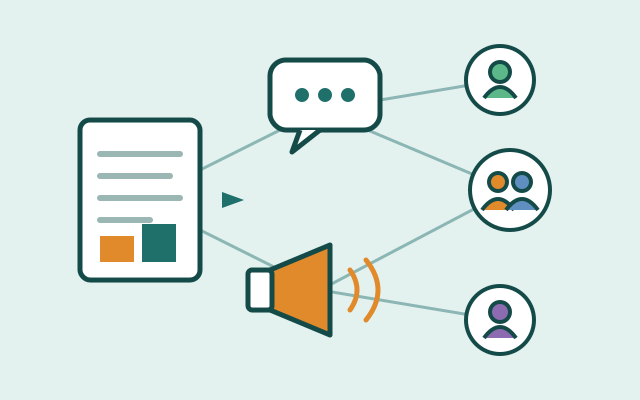
Knowledge translation (KT) converts scientific research into usable information for real-world application. Complex terminology and data in studies often obscure their meaning from the general public. KT bridges this divide by presenting findings through accessible formats like articles, infographics, videos, and educational resources. The Canadian Institutes of Health Research (CIHR) defines the process as sharing research findings and supporting their adoption to improve health services and outcomes (CIHR, n.d.).
This effort extends beyond mere dissemination. It ensures audiences grasp the significance and practical implications of research to inform decision-making. Consider a study on air pollution’s impact on brain health. Through KT, researchers convey these results to students, families, healthcare providers, and community groups. Such clarity helps individuals recognize health risks and motivates communities to reduce exposure.
Effective translation also demands audience adaptation. While scientists require detailed reports, students and community members often need clearer explanations and visual aids. By aligning content with the audience’s existing knowledge and experiences, communicators render scientific information both understandable and useful.
Why Is Communicating Scientific Information Important?
Research yields tangible value only when its findings are accessible to those who need them. Scientific breakthroughs offer pathways to resolve critical challenges such as climate change, environmental pollution, and public health crises. Yet, if these insights remain confined to academic journals or obscured by jargon, the broader population cannot utilize them.
Clear communication empowers individuals to base decisions on evidence rather than misinformation. For instance, clarifying how extreme heat, air quality, and brain health intersect allows people to grasp the impact of environmental conditions on their well-being. This clarity also enables schools, healthcare providers, and policymakers to identify risks and implement protective measures for their communities.
This transparency is vital for addressing health inequities tied to climate change. Environmental hazards disproportionately burden communities with limited access to green spaces, air conditioning, clean air, or medical care. Accessible research highlights these disparities, fostering dialogue around equitable solutions. When affected populations receive scientific data directly, they gain agency in shaping policies that govern their health and environment.
Sources & further reading
- Canadian Institutes of Health Research. Knowledge translation definitions and guides. cihr-irsc.gc.ca
- Yale Program on Climate Change Communication. climatecommunication.yale.edu
- Medical Society Consortium on Climate and Health. medsocietiesforclimatehealth.org
- Canadian Institutes of Health Research. (n.d.). Evaluation of CIHR’s Knowledge Translation Funding Program. https://irsc-cihr.gc.ca/e/47332.html
- Canadian Institutes of Health Research. (n.d.). Integrating ethics and the knowledge-to-action cycle. https://cihr-irsc.gc.ca/e/48802.html
- World Health Organization. (2020, January 15). Emergencies: Risk communication. https://www.who.int/news-room/questions-and-answers/item/emergencies-risk-communication