 Neuroclimate
Understanding Neuroclimate Anxiety
Climate change is not only an environmental issue. It shapes how our brains work, how we feel, and who carries the greatest burden. This site brings together accessible information and practical worksheets to help you understand and respond.
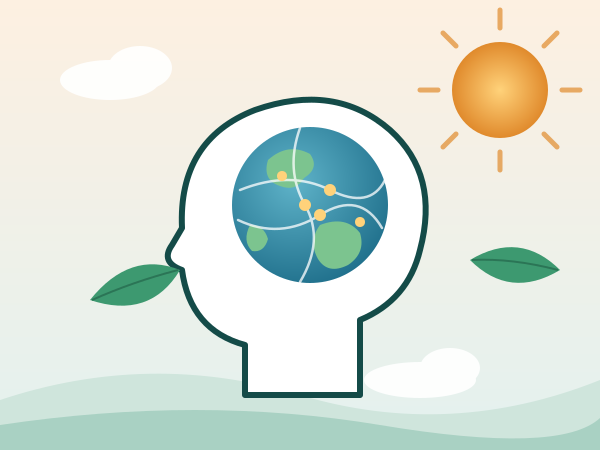
What is neuroclimate anxiety?
Neuroclimate anxiety describes the worry, fear, grief and distress people feel in response to the climate crisis, understood through the lens of the brain and nervous system. It brings together two ideas:
- Climate (eco-) anxiety – the emotional and psychological response to climate threats, from news of extreme weather to personal experiences of loss.
- Neuroclimate science – the growing field that studies how heat, air pollution, disasters and environmental change directly affect brain structure, function and neurological conditions.
Feeling concerned about climate change is a rational and healthy response to a real threat. It becomes a concern for wellbeing when it is overwhelming, persistent, or gets in the way of daily life.
Common experiences
- Persistent worry about the future of the planet
- Grief for lost places, species or ways of life (“ecological grief”)
- Distress over changes to a home environment (“solastalgia”)
- Anger, guilt or helplessness about inaction
- Sleep problems, trouble concentrating or feeling on edge
- Also: hope, motivation and a drive to take meaningful action
Why it matters
Research increasingly shows that climate change affects mental and neurological health, and young people feel it strongly.
Introductory video
Watch a short introduction to neuroclimate anxiety: what it is, why it happens, and how individuals and communities can respond with care and action.
Explore the topics
Five themes, each with an accessible overview for reflection, teaching or community work.
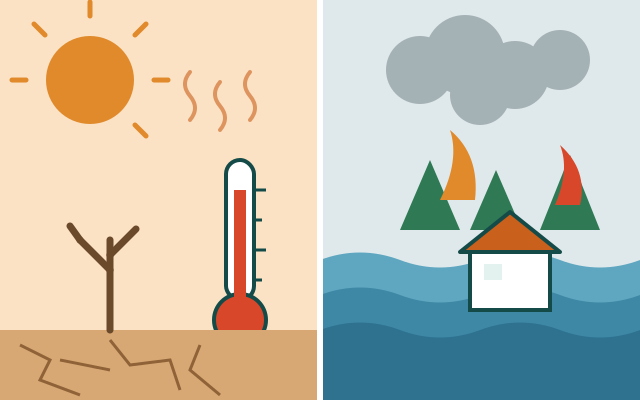
Impacts of Climate Change
Heat waves, wildfires, floods and drought, and how they reach our bodies, homes and communities.
Read more →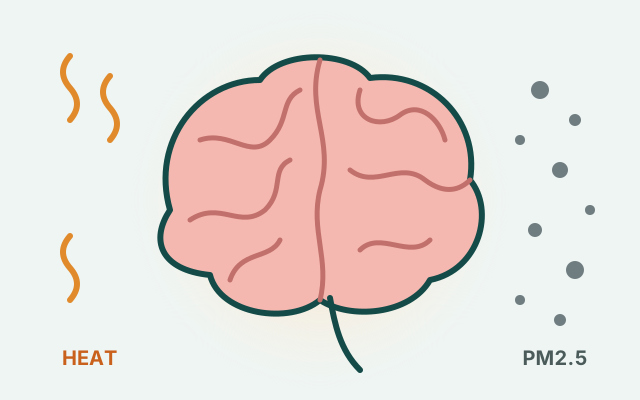
Climate Change & Brain Health
How heat, air pollution and disasters affect cognition, sleep and neurological conditions.
Read more →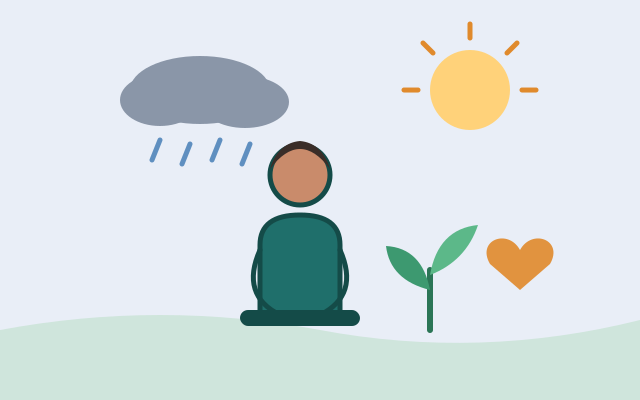
Climate Change & Mental Health
Climate anxiety, ecological grief, trauma after disasters, and ways to cope and build resilience.
Read more →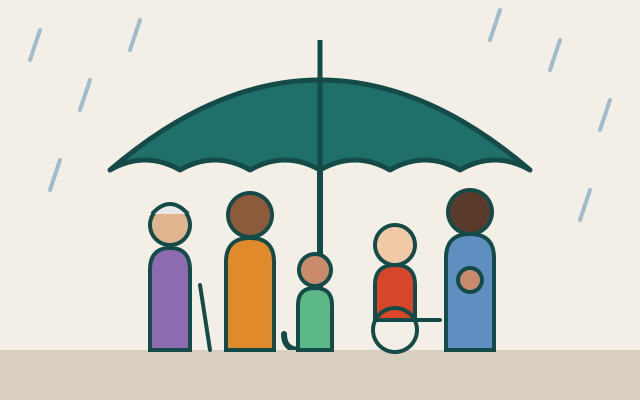
Climate Change & Health Equity
Why climate impacts fall unevenly, and how to center fairness and justice in our responses.
Read more →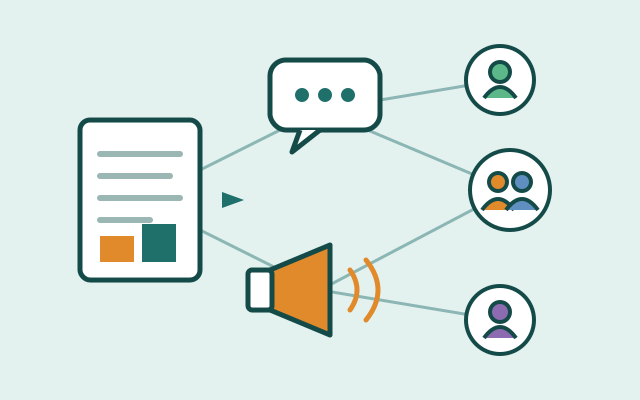
Knowledge Translation, Communication & Mobilization
Turning evidence into action: sharing climate-health knowledge so it reaches and helps people.
Read more →Not sure where to start?
Begin with Topic 3 if you are looking for support with climate feelings, or Topic 1 for the big picture.
See all worksheets →
From anxiety to action
Climate emotions are signals that we care. These steps can help turn distress into resilience:
- Name it. Acknowledge your feelings without judgement.
- Connect. Talk with others who share your concerns; you are not alone.
- Limit doom-scrolling. Stay informed, but set boundaries on news intake.
- Act on what matters. Meaningful action, individual or collective, can reduce helplessness.
- Care for your nervous system. Sleep, movement, time in nature and breathing practices all help.
- Seek support if feelings become overwhelming or affect daily life.
Downloadable worksheets
Free, printable PDF worksheets for individuals, classrooms, clinicians and community groups.